
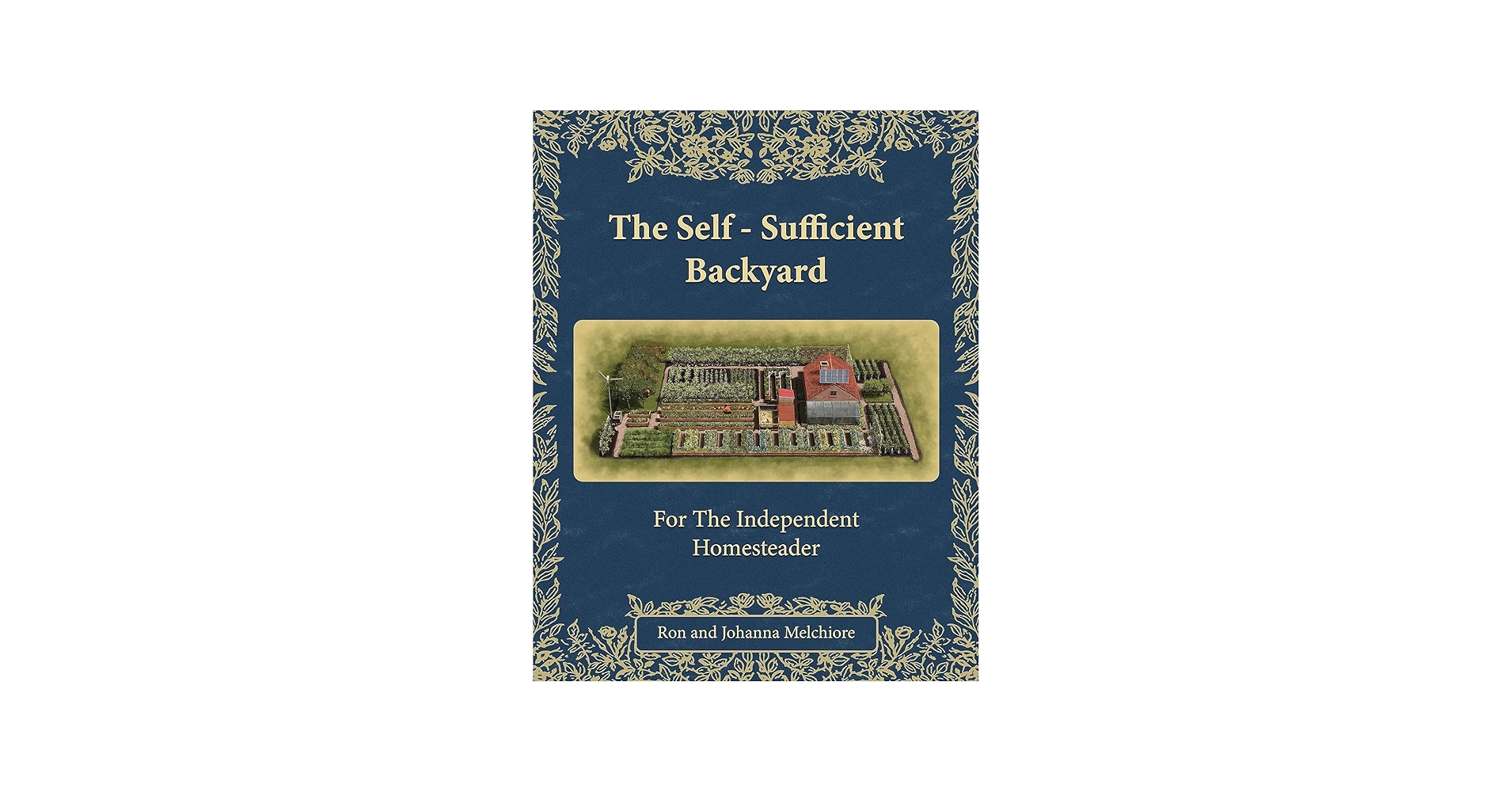
Comparing ‘The Self-Sufficient Backyard’ to Other Homesteading Classics
When diving into homesteading literature, it’s easy to get overwhelmed by options. How does The Self-Sufficient Backyard stack up against staples like The Backyard Homestead by Carleen Madigan and Mini Farming: Self-Sufficiency on 1/4 Acre by Brett L. Markham? Let’s break it down.
All three books emphasize self-reliance on small spaces, but their approaches differ in scope, depth, and focus. Madigan’s The Backyard Homestead is a beginner-friendly overview, covering basics like raising animals and preserving food with colorful illustrations and simple projects. It’s great for urban dwellers dipping their toes in, but it skimps on advanced off-grid systems.
Markham’s Mini Farming, on the other hand, leans heavily into intensive gardening techniques, like biointensive methods to maximize yields on tiny lots. It’s data-driven, with charts on crop rotations and soil health, making it ideal for those prioritizing food production over broader lifestyle changes.
The Self-Sufficient Backyard bridges these by blending practical homesteading with off-grid innovation. Unlike the others, it stems from the Melchiores’ lived experience – they’ve built three homesteads from scratch, enduring harsh winters and isolation. This adds a layer of authenticity, with tips on everything from passive solar greenhouses to water catchment systems that the other books touch on lightly.
Here’s a quick comparison table to highlight the differences:
| Aspect | The Self-Sufficient Backyard | The Backyard Homestead | Mini Farming |
|---|---|---|---|
| Author Expertise | 40+ years off-grid living | Editorial background in sustainable living | Farming consultant with focus on efficiency |
| Core Focus | Holistic self-sufficiency (food, energy, water) | Basic animal and crop raising | Intensive gardening for max yield |
| Page Count & Depth | 265 pages, detailed projects | 368 pages, illustrated overviews | 240 pages, technical guides |
| Best For | Intermediate homesteaders seeking independence | Beginners in urban settings | Yield-obsessed small-plot farmers |
| Unique Angle | Real homestead stories from cold climates | Fun, visual projects | Economic breakdowns of farming costs |
| Ratings (Avg.) | 4.6/5 (3,000+ reviews) | 4.7/5 | 4.6/5 |
This table draws from user feedback across platforms like Amazon and Goodreads. For instance, reviewers praise the Melchiores’ book for its emphasis on small-acreage adaptations, like gardening with a bad back – a nod to accessibility that sets it apart.
If you’re comparing, start with Madigan for inspiration, move to Markham for techniques, and cap it with the Melchiores for integrating it all into a resilient lifestyle. Check out The Backyard Homestead or Mini Farming for complementary reads.
Key Insights from ‘The Self-Sufficient Backyard’ Book
What makes this book shine? It’s not just theory – it’s battle-tested advice from a couple who’ve walked the talk. Ron, a former firefighter, and Johanna, a nurse, ditched city life in the late 1970s for self-reliance. Their guide covers turning ordinary backyards into productive oases, even in challenging climates.
Food Production on a Shoestring
One standout section is on high-yield gardening without fancy tools. The Melchiores detail how to build a near-passive, all-year greenhouse that withstands Canadian winters, using simple materials like reclaimed wood and plastic sheeting. They share crop plans for quarter-acre plots that can feed a family of four, including staples like potatoes, beans, and berries.
- Tip: Use companion planting to boost yields – pair tomatoes with basil to deter pests naturally.
- Unique Insight: Unlike generic advice, they address “bad back” gardening with raised beds and ergonomic tools, drawing from Ron’s own experiences.
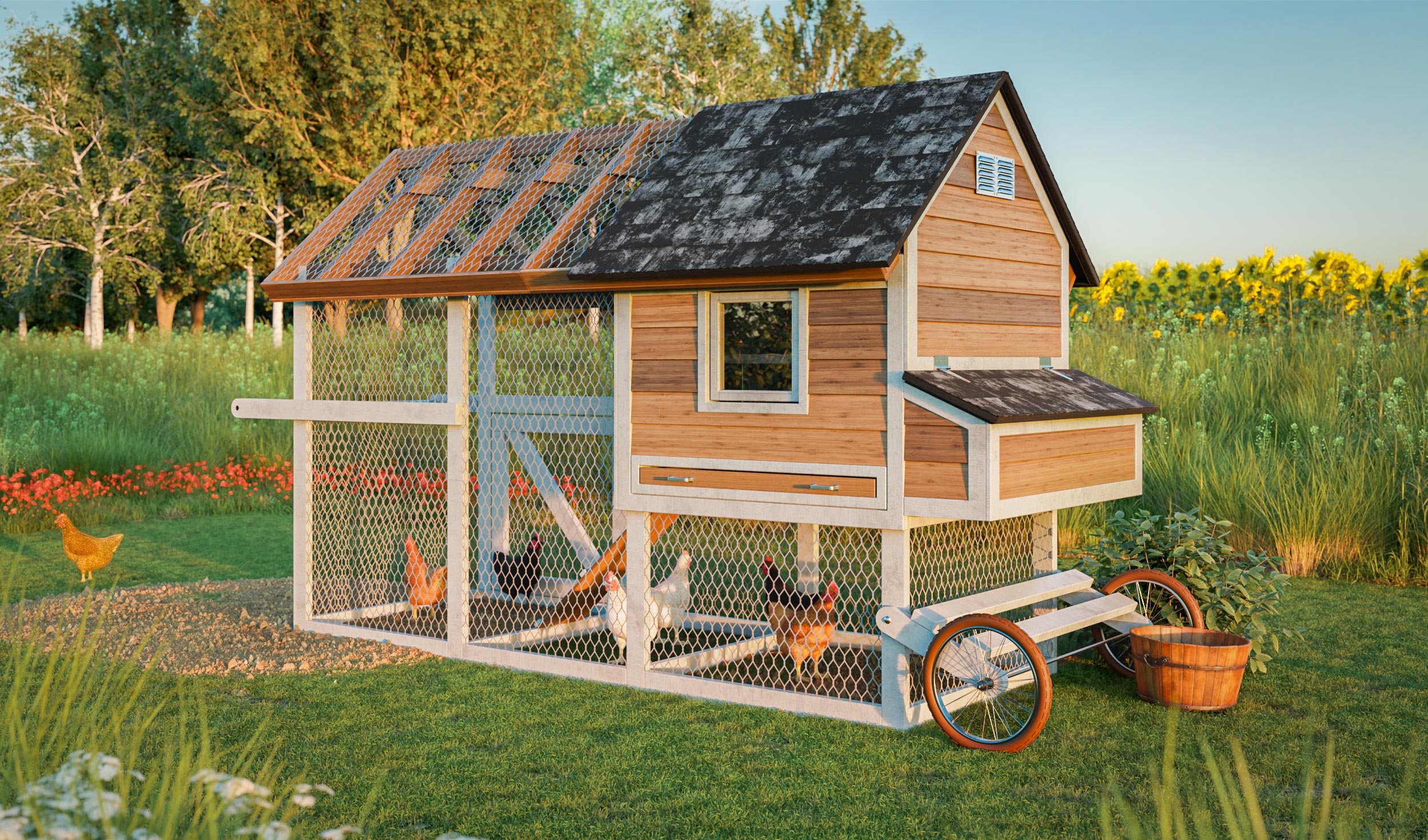
They also dive into animal husbandry, like raising chickens for eggs and meat. Imagine a solar-powered coop that rotates for fresh grazing – it’s doable and cost-effective.
Front Yard Coop: A Solar-Powered and Self-Propelled Chicken Coop
Off-Grid Energy and Water Systems
Here’s where the book gets revolutionary. The Melchiores outline DIY solar and wind setups that power homes without utility bills. They started with basic panels in the 80s and evolved to efficient systems that store energy for cloudy days.
Water self-sufficiency is another gem: Rain catchment, greywater recycling, and well-digging tips ensure you’re never short. One reviewer noted, “This book is a treasure trove… for anyone who wants to live a more self-reliant lifestyle.”
- Pro Tip: Start small with a 100-watt solar kit for lighting and charging – scalable as you grow.
- Fresh Perspective: In urban areas like Mumbai, where space is premium, their micro-hydro ideas (using rooftop runoff) offer a twist on traditional methods, blending ancient rainwater harvesting with modern tech.
Sustainability and Community Building
Beyond mechanics, the book emphasizes mindset. The Melchiores stress community bartering and waste reduction, turning scraps into compost gold. It’s inspiring for city folk – one X user shared how it motivated their balcony garden amid fast-paced life. (post)
They warn of pitfalls, like over-relying on tech, and share failures, like early crop losses to wildlife, adding relatability.
For visual learners, here’s an infographic-style breakdown of homesteading benefits, adapted from common practices in the book:
(Imagine an infographic here – but since we can’t embed, search for “homesteading benefits infographic” for visuals like reduced carbon footprint (up to 50% less emissions) and health perks from fresh produce.)
Personal Touches and Criticisms
From my analysis, what sets this apart is the narrative weave – it’s like chatting with mentors over coffee. One complaint? Some find it dense for absolute newbies, better suited post-basics. But with 3,000+ glowing reviews, it’s clear the value outweighs.
Link to their official site for bonuses like digital extras on medicinal herbs.
Wrapping Up: Is This Book Your Path to Independence?
The Self-Sufficient Backyard isn’t just a read; it’s a blueprint for resilience in uncertain times. Whether you’re in a suburban yard or adapting to urban constraints, the Melchiores’ insights empower you to produce more, waste less, and live freer.
If self-sufficiency calls to you, grab this book – it could spark your own homestead journey. For more on sustainable living, check our internal guide on urban gardening tips. What’s your first step toward backyard independence? Share in the comments!

Leave a Reply